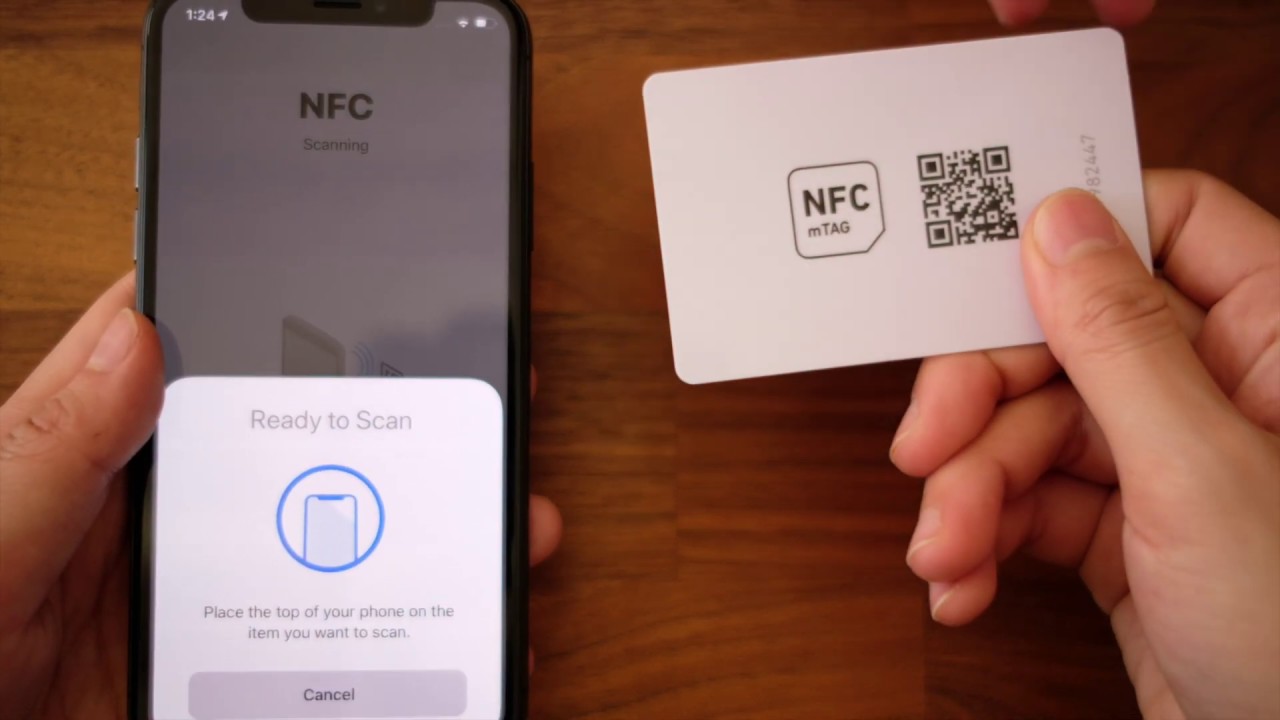
Apple’s recent announcement regarding the opening of its tap-and-go technology, Near Field Communication (NFC), to rival mobile payment systems has generated considerable buzz within the tech community. With the European Commission poised to approve this move in the near future, it’s essential to understand the implications of Apple’s decision and what it means for consumers and businesses alike.

At its core, NFC technology enables contactless payments with mobile wallets, revolutionizing the way we conduct transactions in an increasingly digital world. By allowing competitors access to this technology on its devices, Apple is signalling a significant shift in its approach to the mobile payments market.
The decision to open up NFC technology comes in response to concerns raised by the European Commission regarding anticompetitive practices. For years, Apple has faced scrutiny over its control of the mobile payments ecosystem, with critics accusing the company of stifling competition and innovation.
In January, Apple made a bold move by offering to grant rivals access to its NFC technology free of charge. This marked a departure from its previous strategy of exclusivity, signalling a more open and collaborative approach to the mobile payments landscape. By levelling the playing field for competitors, Apple aims to promote innovation and provide consumers with greater choice and flexibility.
Central to Apple’s proposal is the concept of fair and non-discriminatory access to NFC technology. This ensures that all players in the mobile payments market have an equal opportunity to leverage Apple’s vast ecosystem of devices and services. Additionally, Apple has committed to providing additional functionalities, such as defaulting preferred payment apps and access to authentication features like Face-ID, further enhancing the user experience.
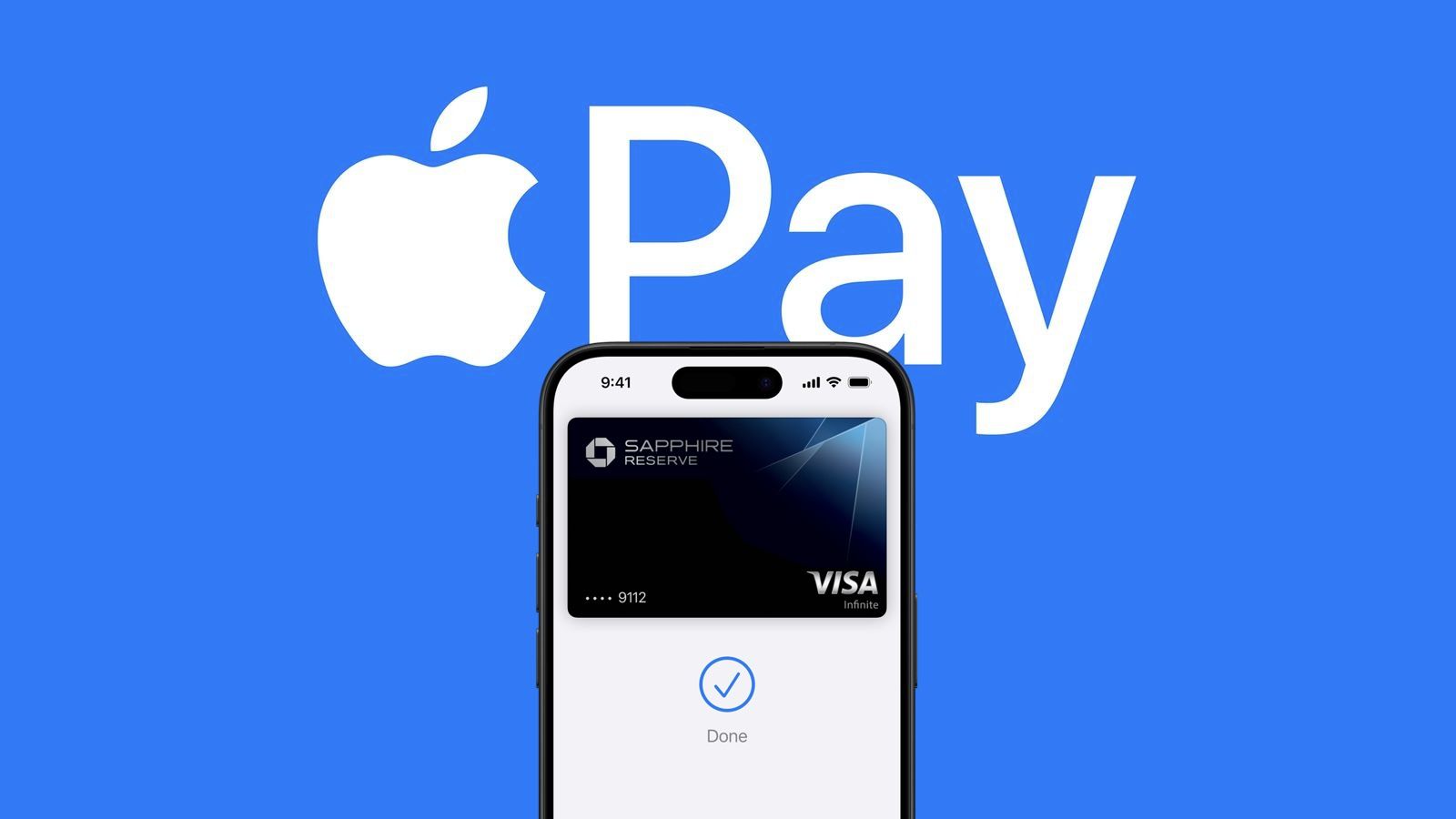
The proposed ten-year duration for this arrangement provides stability and certainty for competitors, fostering an environment conducive to collaboration and growth. By setting clear guidelines and standards, Apple aims to create a framework that promotes healthy competition and innovation within the mobile payments sector.
The approval of Apple’s NFC proposal by the European Commission represents a significant milestone in the evolution of the mobile payments landscape. Consumers can expect to benefit from increased choice and convenience as rival mobile payment systems gain access to Apple’s ecosystem of devices. This, in turn, may lead to lower transaction fees and improved services, benefiting merchants and consumers alike.
From a broader perspective, Apple’s decision to open up its NFC technology reflects a broader trend towards interoperability and openness in the tech industry. As digital ecosystems continue to evolve, companies are recognizing the value of collaboration and shared innovation. By embracing this ethos, Apple is not only addressing regulatory concerns but also positioning itself as a leader in promoting competition and innovation.
As we navigate through this NFC revolution, it’s essential to consider the broader implications for the future of digital commerce. With Apple leading the way towards greater openness and collaboration, the possibilities for innovation and growth in the mobile payments sector are limitless. By embracing this spirit of cooperation, we can unlock new opportunities and create a more inclusive and dynamic digital economy for all.