
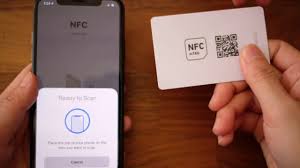
Apple’s recent proposal to open its tap-and-go technology, Near Field Communication (NFC), to rival mobile payment systems in Europe is poised to reshape the landscape of digital transactions. Anticipation is high as EU antitrust regulators are expected to approve this move in the coming month. This decision holds profound implications for consumers, businesses, and the broader tech industry.
At the heart of this development lies Apple’s NFC technology, which enables contactless payments with mobile wallets. By allowing competitors access to this technology on its iPhones, iPads, and other devices, Apple aims to address concerns raised by the European Commission regarding anticompetitive practices.
The European Commission’s investigation, spanning over four years, initially accused Apple of hindering competition for its Apple Pay mobile wallet by restricting access to its tap-and-go technology. This move was seen as detrimental to rival mobile wallet app developers, limiting their ability to innovate and compete on a level playing field.
In response to these allegations, Apple made a significant concession in January by offering to grant rivals access to its NFC technology free of charge. This move signifies a departure from its previous strategy of exclusive integration with Apple Pay and Apple Wallet. Instead, Apple is embracing a more open approach, inviting competition and fostering innovation within the mobile payments ecosystem.

Key to Apple’s proposal is the concept of fair and non-discriminatory criteria for accessing its NFC technology. This ensures that competitors are not unfairly disadvantaged and promotes healthy competition in the market. Additionally, Apple has pledged to provide additional functionalities, such as defaulting preferred payment apps, access to authentication features like Face-ID, and a dispute settlement mechanism.
The proposed ten-year duration for this arrangement underscores Apple’s commitment to fostering long-term competition and innovation in the mobile payments sector. By providing stability and certainty for competitors, Apple seeks to create an environment conducive to collaboration and growth.
The impending approval of Apple’s NFC proposal by the European Commission heralds a new era for mobile payments in Europe. Consumers stand to benefit from increased choice and convenience as rival mobile payment systems gain access to Apple’s vast ecosystem of devices. With more options available, consumers can select the payment method that best suits their preferences and needs.
Businesses, too, stand to gain from this development. Increased competition among mobile payment providers may lead to lower transaction fees and improved services, ultimately benefiting merchants and consumers alike. Moreover, the availability of Apple’s NFC technology on rival platforms opens up new opportunities for collaboration and partnership within the industry.

From a broader perspective, Apple’s decision to open up its NFC technology reflects a growing trend towards interoperability and openness in the tech industry. As digital ecosystems continue to evolve, companies are recognizing the value of collaboration and shared innovation. By embracing this ethos, Apple is not only addressing regulatory concerns but also positioning itself as a leader in promoting competition and innovation.
As we look towards the future, the implications of Apple’s NFC proposal extend far beyond Europe. Similar discussions are taking place in other regions around the world, highlighting the global significance of this development. As mobile payments become increasingly prevalent in our daily lives, the decisions made by industry leaders like Apple will shape the trajectory of digital commerce for years to come.
In conclusion, Apple’s offer to open its tap-and-go mobile payments system to rivals represents a significant milestone in the evolution of the mobile payments landscape. With EU approval expected in the coming month, all eyes are on Apple as it paves the way for greater competition, innovation, and consumer choice in Europe and beyond.

Hairstyles
Thank you for writing this post!
Hairstyles
Great beat ! I would like to apprentice while you amend your web site, how could i subscribe for a blog site? The account helped me a acceptable deal. I had been a little bit acquainted of this your broadcast provided bright clear concept
betchar
I apologise, but, in my opinion, you commit an error. Write to me in PM, we will communicate.
1x bet
Thanks for the help in this question, can, I too can help you something?
20 bet app apk
It is remarkable, rather valuable piece
avenue18
I congratulate, the excellent answer.
1xcasinouz
I think, that you commit an error. I can prove it. Write to me in PM, we will communicate.
melbetbdofficial
I think, you will find the correct decision. Do not despair.
1x-bet-india
It is rather valuable answer
Beauty Fashion
I have realized that online degree is getting preferred because attaining your degree online has become a popular choice for many people. A lot of people have never had an opportunity to attend a traditional college or university nevertheless seek the increased earning potential and career advancement that a Bachelor’s Degree grants. Still other folks might have a degree in one field but wish to pursue one thing they already have an interest in.
Hairstyles Near Me
I want to thank you for your assistance and this post. It’s been great. http://www.hairstylesvip.com
Appliance Repair Manual
Your articles are extremely helpful to me. Please provide more information! http://www.kayswell.com
Good Art Design
Thanks for another informative blog. Where else could I get that type of info written in such a perfect manner? I’ve a venture that I’m just now working on, and I have been at the look out for such info.